When it comes to OEM metal stamping parts, the small details matter more than most people realize. At first, skipping a few standard steps might seem like an easy way to save time or stretch a tight deadline. But over time, those shortcuts can cost more in performance issues, delays, or even safety hazards.
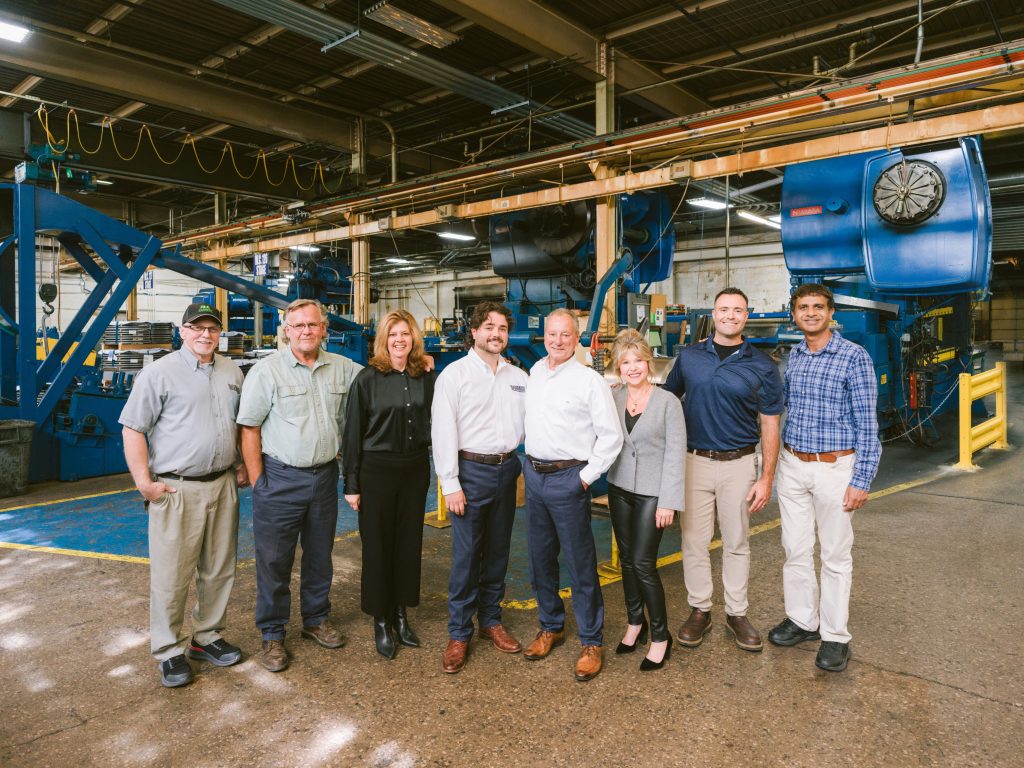
OEM standards exist for a reason. These guidelines help make sure each part works the way it is supposed to. They control the design, shape, strength, and final finish so everything fits and runs like it should. Whether it is a stamped bracket for an aircraft or a fastener for an electric vehicle, quality built into the part from the start helps everything down the line run smoother. We have been manufacturing metal stampings since the 1940s and now operate from more than 70,000 square feet of production space in Columbus, Ohio, which helps us support programs with long-term, repeatable demand.
Choosing not to follow these standards brings risks. Let’s look at why taking those shortcuts often backfires and how the costs can show up long after the project ends.
OEM standards act like a blueprint everybody on the project can follow. They make sure that the stamped parts we build line up with the rest of the system. Skipping them can throw everything off, not just one part, but the function of the product it supports.
These standards help protect three core things:
These details become even more important in industries like aerospace, automotive, or defense. In those environments, a stamp that is slightly too thick or edges that are not shaped just right can mean failure.
We follow these OEM rules from the beginning so we are not guessing at tolerances or trying to fix mistakes after parts are made. Our quality management system is certified to AS9100D and ISO 9001:2015, which helps us keep these requirements in place for critical applications.
What happens when stamped parts do not follow the standards they are supposed to? It rarely shows up right away. The part may look fine. It might even fit. But without the right specs, problems eventually appear.
Here are some of the things we have seen happen in these cases:
These issues do not just slow down a project. They can shut down entire production lines. And when that happens, costs go beyond the part itself, now we are talking about downtime, missed shipments, and safety risks. A shortcut on the fab side can have ripple effects far beyond the shop floor.
Low-quality stamped parts come back to bite. Not always right away, but often when it matters most. What looks like a savings at the start quickly disappears in repairs, delays, or do-overs.
Some of the hidden costs we have seen include:
Even if the problem is small, a bend slightly off, a hole slightly misshaped, it takes time and money to fix. In some cases, the only option is to scrap the parts entirely. When replacement takes longer than expected, it can hold up an entire program. That initial shortcut slows down everything else after it.
OEM standards are not just guidelines. They are often tied to certification requirements and industry rules. Ignoring them does not just affect the part, it can affect how the rest of the product is reviewed and approved.
If a stamped part cannot pass inspection, it puts the whole system at risk. Downstream customers might question whether the full process is reliable. It becomes a trust issue.
Here is what that can look like:
Once trust starts slipping, it is hard to win it back. One small mistake can cause entire programs to be delayed, or worse, canceled. We see every stamped part as a silent promise. If it does not meet the standard, that promise is broken before it is even used.
When accuracy matters, the way we plan ahead makes all the difference. If we build parts the right way from the start, we do not have to scramble to fix issues later.
Reliable producers know how to stick to OEM standards and build a process around them. That includes checking drawings, scouting for risk areas, and inspecting every step before it becomes a problem. At our facility, metal stamping is supported by services such as CNC machining, coatings, deburring, dimensional inspection, fabrication, tool and die design and maintenance, packaging, and welding, so critical steps stay connected under one process.
The benefit of working with the right team is not just about avoiding mistakes. It is about building things once and building them right. With so many industries relying on performance in motion, there is no room for guesswork.
Over time, we have found that this kind of thinking lowers stress, improves delivery times, and keeps everyone focused on the bigger picture.
Skipping OEM stamping standards might save time at first, but those savings do not last. Problems will show up eventually, in performance, in delivery, or in reputation. These issues usually cost more to fix than they ever saved in the beginning.
Planning ahead, following standards, and choosing to do the right work at the right time keeps products strong and customers confident. It is not always the fastest route but it is the one that lasts. When stamped parts are built with care, everything else runs a little smoother.
At Banner Metals Group Inc., we have seen how cutting corners can lead to bigger issues down the line, especially when precision and reliability are on the line. That is why we take every part seriously and build with long-term performance in mind. Our approach puts the focus on safety, fit, and lifecycle strength, all starting with well-made OEM metal stamping parts. If your next project demands stamped components that hold up under pressure, we are here to help. Contact us to get started.