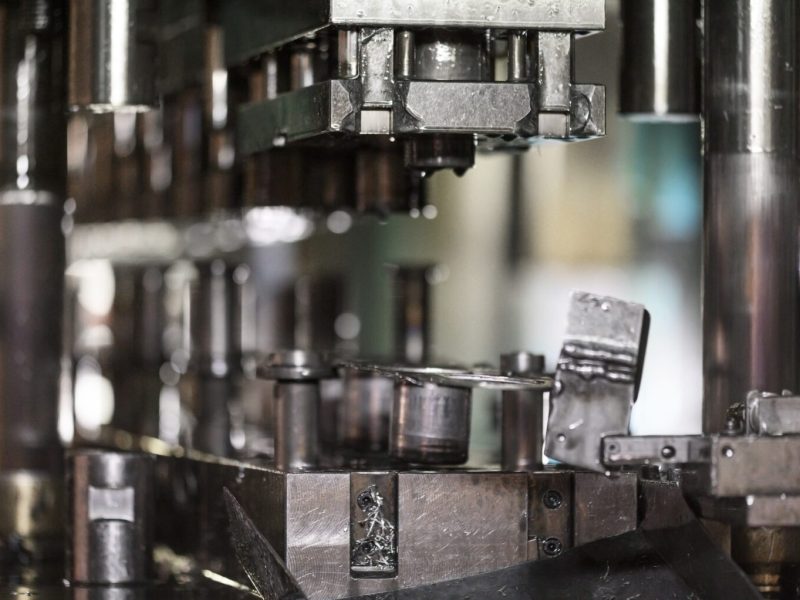
Getting the setup right in high-volume metal stamping can make a huge difference. The choices we make early in the process shape how consistently we meet demand, how fast we can run, and how well each part holds up.
When we plan for large-scale output, small decisions in press selection or die planning become much more important. The more parts we need to produce, the more we need a setup that supports speed without losing quality. That’s where the right metal stamping services can help keep systems running with fewer slowdowns or fixes later on.
High-volume stamping means we’re talking about thousands or even millions of parts. These jobs rely on repeatability that holds up through long production runs without slipping in quality. That puts pressure on both the equipment and the people running the job. At Banner Metals Group Inc., our stamping presses range from 60 tons to 1200 tons, which lets us line up the right press capacity with each part and production volume.
Each job brings different demands shaped by part design, production goals, and how everything fits together. For example, a simple bracket meant to be stamped quickly may need a different tool setup than a more complex part with multiple bends or cuts.
Some key needs we account for in high-volume production include:
When we know these needs from the start, we can tune our setups for both performance and efficiency. We stamp heavy gauge bar up to 0.750 inches and coil up to 0.625 inches, along with thin material down to 0.018 inches, in alloys that include cold rolled and hot rolled steel, stainless, brass, and aluminum. Our goal is to meet deadlines without cutting corners on part quality.
Every stamping setup starts with choosing the right press. Mechanical and hydraulic presses both get the job done, but they serve different purposes based on the part we need to make.
Mechanical presses work well when we’re aiming for speed. They’re built for fast cycles, which makes them great for high-volume jobs with less complicated part shapes. Hydraulic presses run at slower speeds but offer more control. These are better for parts needing deep draws, heavy materials, or complex bends.
When picking between machines, we look closely at how they match up with output needs:
Press selection isn’t just about hitting numbers though. We make sure there’s enough force to shape the material without overworking the tool or risking damage. Choosing early and wisely saves time and keeps the whole system balanced.
Once we know what press we’re using, the next step is building the right die system and getting material to flow smoothly through the line. Different dies suit different types of parts and production goals.
Here’s how we approach those options:
Of course, great dies still need good handling systems to feed the press correctly. That means using machines like coil feeders, straighteners, and part conveyors to keep everything moving the right way. If material doesn’t move cleanly through the system, even the best die can produce bad parts. When coil feeds jam or parts misalign, the job stops, and production falls behind. That’s why we take material flow just as seriously as die setup.
Automation and monitoring help us keep production steady, especially during long runs. In high-volume setups, we rely on steady rhythm and clear checkpoints to cut down on delays and errors.
We use sensors to watch how the press moves and flag anything unusual. There are tools that measure part dimensions in real time and systems that track each cycle as it happens. That helps us correct small issues as soon as they show up.
Here are a few ways automation supports high-volume stamping:
Adding automation doesn’t replace skilled workers. It gives them sharper tools and real-time info, which lets them fix problems before they stop production. When people and machines work together, we see better reliability through the full job.
The time we spend setting up affects each part we make going forward. When we rush through setup or skip early checks, those decisions come back later in tool wear, missed specs, or downtime we weren’t planning for.
That’s why we treat setup like part of the job, not just pre-work. We build, test, and refine until the line runs right. Then we plan for what happens next.
Good setup planning includes:
We want setups built for the long haul. That means finding what works, locking it in, and building room to adapt when needed. Flexibility in setup means we’re ready if demand shifts or the parts evolve.
High-volume work calls for a setup that keeps moving even under pressure. The right setup helps us meet goals, avoid mistakes, and keep quality at the level it needs to be. From press selection to material flow, each piece supports the next.
Every job is different, but the goal is the same: smooth production that holds up month after month. When we make smart setup decisions early, high-volume stamping becomes a process we can trust. That’s how strong parts and steady outputs stay on track, no matter how big the order gets.
At Banner Metals Group Inc., we’ve seen how the right setup makes a lasting difference in production speed and reliability. That’s why we focus on systems that support real-world demands and leave room to scale without slowing down. From tooling to throughput, it all comes together when the foundation is built right. To see how our approach supports high-volume output, take a closer look at our metal stamping services. If you have questions or need help with a project, contact us today.