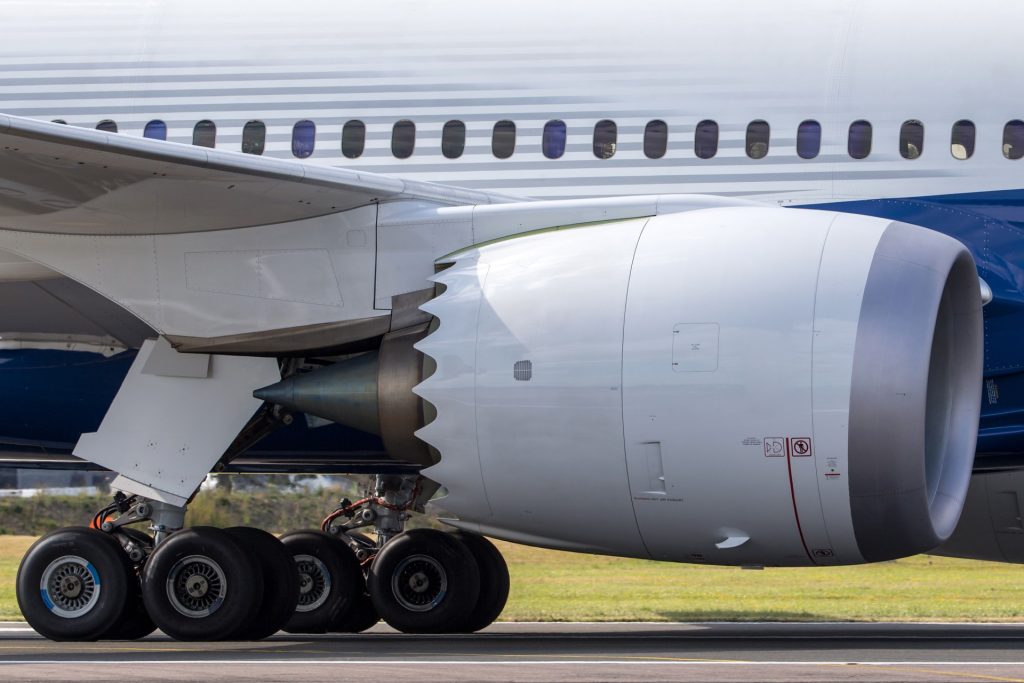
Aerospace parts are under pressure every time they’re used in flight. They’re exposed to constant motion, extreme changes in temperature, and the kind of wear that can push metal to its limit. We know that if one part fails, the stakes are high. That is why strength and dependability are at the core of everything we build or repair in aircraft systems.
One way to make sure important metal parts hold up long term is through heat treating services. By applying the right amount of heat and cooling at the right time, we adjust how a metal responds in tough conditions. This step takes a regular alloy and gives it added durability, better shape retention, and longer-lasting performance. When applied correctly, it makes a significant difference in how aerospace components last through repeated stress.
Flight puts demands on metal parts that most other industries don’t need to address. From the engine to the undercarriage, many of these components are under constant stress.
Here is what they are up against every time a plane takes off:
Untreated metal parts do not always last long in this kind of setting. Softer materials can bend, crack, or wear down faster than expected. That leads to more frequent inspection, part replacement, or unexpected delays.
We often see heat treated parts used in areas such as:
These parts do not only hold things in place, they help keep systems balanced and in motion. If they struggle under pressure, the entire system could be at risk.
Heat treating is more than just making the metal hot and letting it cool off again. The purpose is to change the structure inside the alloy so it reacts differently when under stress.
That change happens through a combination of controlled heating and cooling steps, such as tempering or hardening. During this process, we focus on what we want the final result to be, whether it is added strength, better stress handling, or more flexibility.
Depending on the goal, the work might involve:
Each method fine-tunes how the metal behaves. Hardened parts might stand up to wear better, while softened ones can bend without snapping. The key is matching the method with the need. When done properly, heat treating helps prevent parts from cracking under load or distorting through years of use.
Not all metals respond to heat the same way, and not all aerospace parts need the same treatment. That is why we take the time to learn what each component is made from and what role it plays in the larger design.
This part of the process is where experience becomes important. Different metals, such as stainless steel, titanium, or aluminum alloys, each respond better to certain temperatures or cooling speeds. Incorrect processing can weaken the part or make it more likely to fail over time.
It is not just about the metal type. We also consider shape, connection points, and how the part will be used. A thin bracket that deals with vibration needs a different outcome than a thicker plate supporting heavy load.
By making careful choices, we can make sure:
Matching process to part fine-tunes for both strength and flexibility. This step influences how long a component will last once it is installed and how it will perform under repeated use.
Once the right heat treatment is finished, the benefits appear quickly. These parts do not just look the same, they perform better for the long haul.
Here is what that looks like in practice:
That leads to increased safety, since fewer part failures mean fewer risks during takeoff or flight. It also means less downtime for inspections or repairs, saving both time and labor in the process.
Planning early with the right treatment step may add a little time at the beginning of the build process, but the results are worth it. When parts last longer and hold up better under pressure, the whole system becomes more reliable.
We have seen how heat treated alloys help aerospace components stay strong even in extreme environments. Whether it is from vibration, high heat, or repeated strain, parts that have gone through the right process stay more dependable over time.
By combining careful planning with experienced heat treating services, we set those parts up for longer performance and fewer failures. It is about putting materials to work in ways that build confidence and keep systems operating as intended. When performed correctly, the quality stands out for years to come.
At Banner Metals Group Inc., we know that selecting the right process can make a real difference in how aerospace components perform over time. We focus on materials that are strong, stable, and built to handle repeated stress, ensuring quality in every detail. Our approach includes thoughtful steps like proper shaping, inspections, and expert use of heat treating services to help parts meet demanding conditions. For components made to last, contact us to start the conversation.